



















Pollo Campero Franchisee Plans Fourth Store Opening in Rock Hill, South Carolina
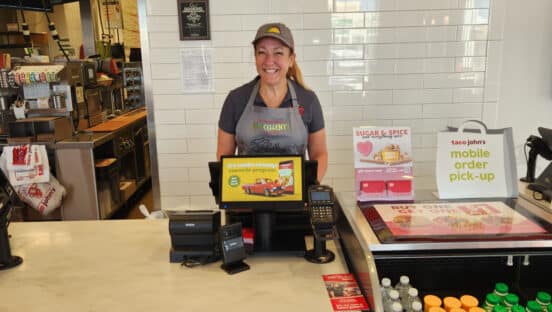
Gilmer Alfaro, an immigrant from El Salvador and seasoned restaurateur, is opening his fourth Pollo Campero, the Central American chicken concept, and the first in South Carolina in Rock Hill. With over 100 U.S. locations and close to another 300 worldwide, the Central American chicken franchise is growing quickly, bringing family-recipe-inspired, flavorful chicken meals to […]
Taco Bell Expands Recycling Program with TerraCycle
On Monday, Taco Bell is announcing the expansion of their popular recycling program with TerraCycle to also collect and recycle any brand of sauce dipping cups, souffle cups/lids & coffee creamer pods. To make it official, the program has been renamed the Taco Bell Sauce Container US Recycling Program. “Taco Bell’s category-wide recycling program, along […]
Paris Baguette Signs Lease in San Antonio, Texas
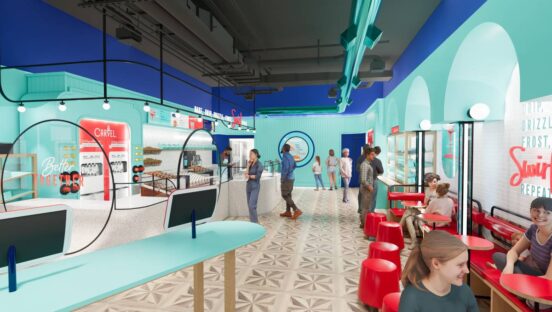
Paris Baguette, the bakery café concept with 4,000 units worldwide, is growing quickly in America. With over 160 bakery cafés in the U.S., over 100 awarded and 70 leases signed, they have built a strong presence nationwide. Now, they are growing in San Antonio. Song, an experienced hotelier and co-owner of The Gunter Hotel which […]
Voodoo Doughnut Creates ‘In the Air’ Doughnut with Country Music Artist Kane Brown
Voodoo Doughnut, renowned for its innovative artisanal doughnuts, unveied an exciting collaboration with country music sensation Kane Brown. Introducing Kane Brown’s In The Air Doughnut, a delectable creation inspired by Kane Brown’s electrifying “In The Air” tour with a few of his favorite flavors. Handcrafted with Voodoo’s signature flair, Kane Brown’s In The Air Doughnut is […]
Krak Boba to Offer Free Boba Toppings for National Bubble Tea Day
Get ready for an exciting celebration and grab some boba, because on April 30, National Bubble Tea Day, Krak Boba is offering guests the ultimate promotion: one free boba topping per drink all day long. On top of this promotion, the Krak Boba team has created a fun social media contest featuring spring-themed boba pearls […]
Ben’s Soft Pretzels to Give Away Free Pretzels in Exchange for Donation to Nonprofit
Ben’s Soft Pretzels, the beloved purveyor of warm, doughy delights, is gearing up for a pretzel-filled celebration on National Pretzel Day, which falls on April 26th. As pretzel enthusiasts across the nation mark their calendars, Ben’s Soft Pretzels is rolling out an irresistible offer that combines philanthropy with indulgence. The Deal: Donate and Delight On April 26th, visit […]
Duck Donuts Launches Annual Quack Gives Back Campaign
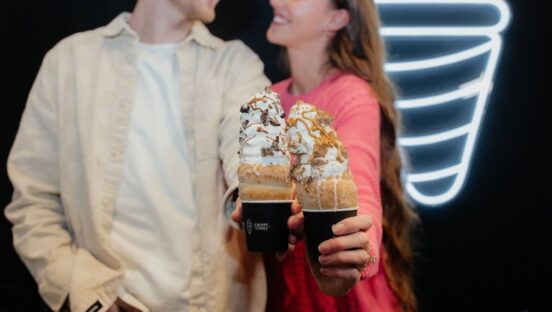
Duck Donuts announce the launch of its annual national Quack Gives Back partnership with Make-A-Wish, a global nonprofit organization whose mission is to grant life-changing wishes for children with critical illnesses. Now through June 16, Duck Donuts guests can help transform lives for children in their local communities by purchasing the special-edition Wish Rubber Duck. […]
Slim Chickens Announces New Opening in South Carolina
Slim Chickens announced its new restaurant openings at 2089 North Beltline Boulevard, Columbia, South Carolina 29204 and 1530 S Church St., 29505. Spearheading the second Slims store in Columbia is the reputable multi-unit operating group, Break Bread Ventures, marking their 7th Slims overall. Behind Florence is multi-unit operator, Chandler Restaurant Group, this is their second opening […]
Krystal Rolls Out New Under $3 Menu
Krystal Restaurants LLC, the original quick-service restaurant chain in the South known for its iconic square sliders, is making it Krystal clear that value is available around the clock. Starting April 22 for a limited time, guests can enjoy the Krystal Meal Deal for $4.99, the 2 for $4.99 breakfast deal and the new Krystal […]


Subscribe to A.M. Jolt
Get daily updates on quick-serve industry news, tips, and events.
"*" indicates required fields