

















Wetzel’s Pretzels Opens Inside Walmart in Aurora, Colorado
Wetzel’s Pretzels (Wetzel’s), the nation’s fun-loving pretzel brand, recently expanded in Aurora, and pretzels are the first thing on Walmart shoppers’ lists. The new bakery will be owned and operated by one of Wetzel’s distinguished ‘Access to Equity’ entrepreneurs and restaurant industry veteran, Juveisa Prada. The brand’s Access to Equity program was created to improve inclusivity for women and minorities […]
The Human Bean Opens in River Edge, New Jersey
Baristas at The Human Bean will begin pouring coffee and other specialty beverages at 101 Midland Ave beginning this Tuesday, April 16th. Customers are invited to come get a first taste of the Cafe’s offerings, including specialty-grade coffee, real-fruit smoothies, whole-leaf teas, and hot breakfast items to-go. Local owners of the new The Human Bean location, […]
ItsaCheckmate Unveils Kiosk Solution
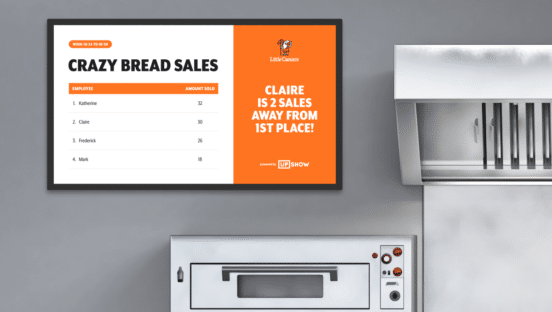
ItsaCheckmate, a leading restaurant ordering solutions provider, unveiled its new Kiosk solution, engineered to enhance the visual and operational standards of kiosks in the restaurant industry. This release marks a significant step forward, addressing common user experience and branding limitations found in other offerings. Many of the market’s existing kiosk solutions force brands to compromise on […]
The Human Bean to Host Earth Day Giveback with Planting Partner Trees of the Future
The Human Bean is hosting its annual Earth Day Giveback at all locations across the U.S. next Monday, April 22nd. On this special day, every drink sold will result in one tree planted through Trees for the Future, an international nonprofit with 30+ years of history planting trees and teaching sustainable farming practices in impoverished communities. […]

Scooter’s Coffee Celebrating National Cold Brew Day with $1 Offer
Celebrate National Cold Brew Day on Saturday, April 20, 2024 with a $1 medium cold brew at all Scooter’s Coffee locations. Our cold brew is made fresh in every store by slow steeping our world-class coffee for a full 24 hours. The result is an incredibly smooth iced coffee perfect for starting your day off […]
Pretzelmaker Offering Free Pretzel Bites for National Pretzel Day
Pretzelmaker, owned by FAT Brands Inc. and innovator of Pretzel Bites, is once again rolling out Free Pretzel Bites to celebrate National Pretzel Day. This National Pretzel Day, April 26, fans can grab one FREE Small Original Pretzel Bites, Original Salted or Unsalted, in-store at participating Pretzelmaker locations nationwide. “Offering a great deal for National […]

Sparkfly Forges Partnership with Olo
Sparkfly, an award-winning retail technology solutions company, has forged a strategic partnership with Olo, a leading restaurant technology provider, to create the next-generation intelligent guest engagement ecosystem. With tens of thousands of restaurant locations already supported by Sparkfly and Olo collectively, there are significant expansion opportunities supporting growth and innovation for enterprise restaurant brands. The […]
Cicis Signs Six-Unit Deal to Grow in Texas
Cicis Pizza has announced a six-unit signed agreement in Texas. The new stores will be locally owned by Frank and Judy Rogers, existing owners of more than 10 Cicis locations in the Dallas Fort Worth Metroplex market. Since opening their first Cicis in 1990, the Rogers remain deeply engaged in the Texas community, ensuring that […]
&pizza Unveils ‘Daze of Stonemas’ Deals
&pizza announced a week’s worth of deals and discounts that will turn the upcoming weed holiday this Saturday, into a full week celebration. Dubbed Daze of Stonemas, the deals are designed to keep the holiday top‑of‑mind as 4/20 approaches, with special flash offers daily through Saturday. Deals and offers will be exclusive to Dead Presidents […]

Subscribe to A.M. Jolt
Get daily updates on quick-serve industry news, tips, and events.
"*" indicates required fields