












Many institutions, particularly the larger ones, contract their foodservice out to major management companies such as Aramark, Service Systems Associates, or Sodexo. Often, national and local quick-service brands are part of a mix that is customized to each institution’s particular geographic layout and visitor demographic.
The most welcome brands are ones that keep the institution’s main mission in mind.
“It’s important to us that our partners reflect our mission, not only in the products they sell, but in the way they do business,” says Cary Burgess, senior vice president of operations and guest services at Zoo Atlanta.
That could mean anything from offering healthly meal and snack options to using eco-conscious serving ware and packaging. Increasingly it is also coming to mean using locally sourced, sustainable ingredients.
Sustainability often gives local brands an edge when it comes to making inroads into the leisure market segment. So does hometown pride, particularly at zoos that draw about 80 percent of their visitors from the surrounding area, Hahn says.
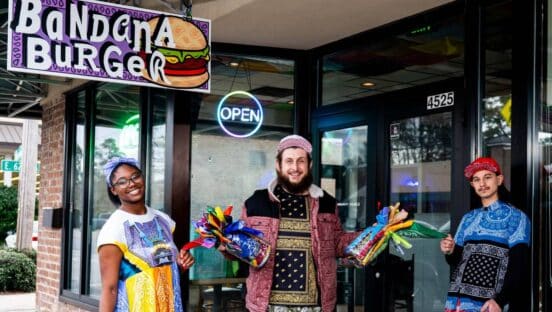
National brands might set the expectation for excellence, but “local brands really resonate with people in the community,” she says.
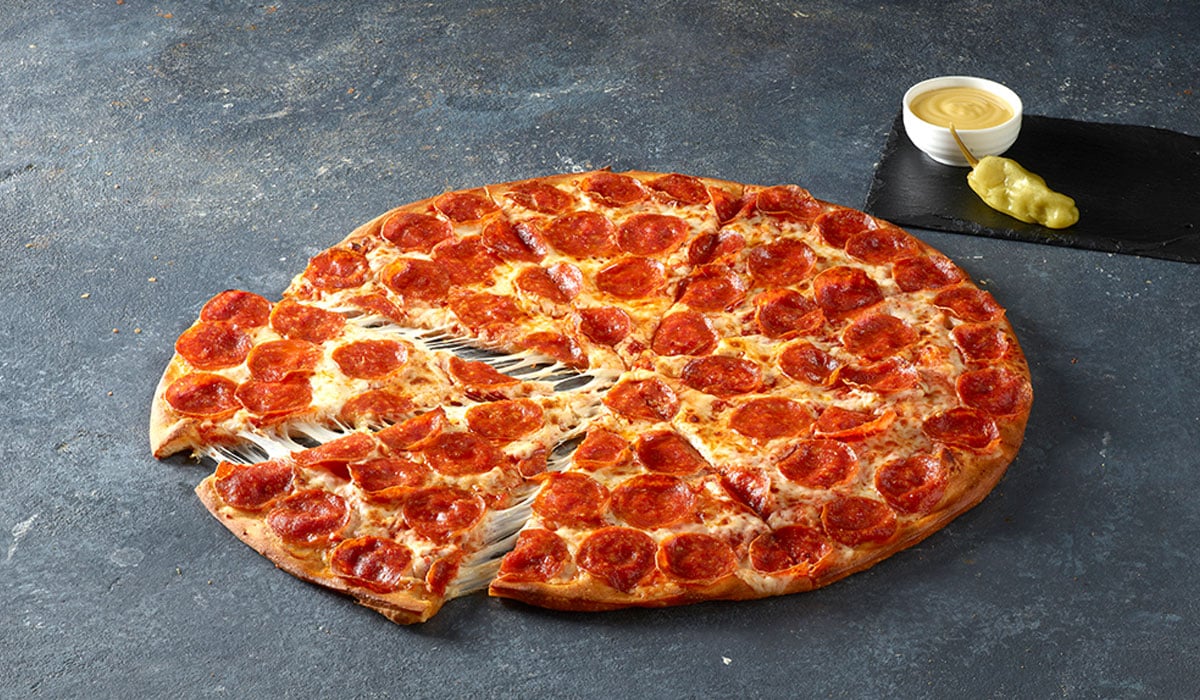
At the Sodexo-operated Bubble Net eatery in Chicago’s Shedd Aquarium, Pizza Hut shares featured food status with local favorite Vienna Beef hot dogs. At Camden, New Jersey’s Adventure Aquarium, ice cream options come from community-based Jack and Jill and Turkey Hill as well as the nationally known Dippin’ Dots. Although the foodservice there is operated by Aramark, partnering with local brands is in keeping with the institution’s commitment to sustainability.
“Sourcing products locally helps to create sustainable local economies,” says Richard Ginzel, Aramark’s general manager at the aquarium.
Local brands also work well at museums and aquariums, where, Hahn notes, 80 percent of visitors tend to be tourists from outside of the community.
“More and more tourists are looking for ways to eat locally and get an authentic taste of the places they’re visiting,” she says. Local brands can also provide opportunities for minority-owned businesses, a priority for many institutions and for their foodservice management companies who include diversity among their partner priorities.
Sometimes a local brand will transcend its original geographical boundaries. Sodexo, for example, brought La Rosa’s Pizzeria, a Cincinnati-based chain that also has locations in Northern Kentucky and Southeast Indiana, to Zoo Atlanta.
“We had not heard of La Rosa’s before, but Sodexo strongly believed in the brand and asked us to consider it,” Burgess says. “We were so impressed with the product and company that we feature La Rosa’s pizza in our Wild Planet Café.”
But not every brand fits every venue. “A pizza offering usually does well in an aquarium or zoo setting, where many of the visitors come in family groups with children, but might not be quite as compatible with a fine-art museum, where the core demographic may be 40-plus-year-old women,” Simpson says.
Offerings should also be customized within product categories. For the adult crowd at the art museum, for example, gelato might be the frozen treat of choice, while for kids at the zoo it might be bananas and ice cream in a monkey cup.
At many institutions, demographics can dictate price points. Family-focused attractions, such as zoos and aquariums, generally like to provide a variety of offerings that fit into the budget of the average visitor, Goetz says.
Outdoor venues also offer the greatest number of format options for quick-service brands. Zoos, Burgess says, can span five to 100-plus acres, with multiple exhibits and snacking opportunities at each one. Starbucks coffee, for example, shows up at Flamingo Joe’s named for a nearby exhibit at Zoo Atlanta, as well as at Jungle Java at the Cincinnati Zoo & Botanical Garden. Dippin’ Dots ice cream is featured at Zoo Atlanta’s Sweet Spot and at the Feeding Frenzy Café at Adventure Aquarium.
Satellite set-ups such as kiosks and carts work well in these spread-out spaces, particularly for products that do not require much on-the-spot prep or cooking. “For these situations, ice cream, soft pretzels, and cut-up fruit work better than french fries,” Hahn says.