





















Cousins Maine Lobster Opens 65th Unit in Rhode Island
Cousins Maine Lobster, the Shark Tank phenom known for serving up wild caught Maine lobster rolls, authentic New England clam chowder, and delicious whoopie pies is celebrating it’s 12th anniversary with the opening of their 65th unit in the Rhode Island market. CML invites the community to join them as they celebrate with an official ribbon cutting and launch party, featuring an appearance […]

Chill-N Nitrogen Ice Cream Opens Second Store in Orlando Area
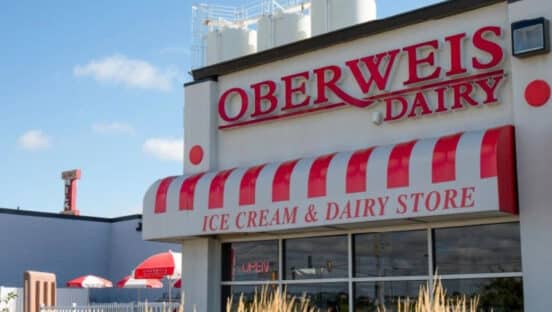
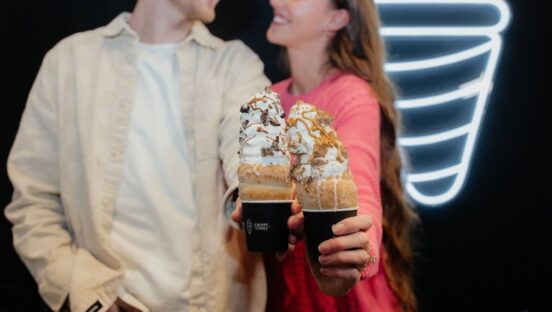
Orlando ice cream fans are celebrating because Chill-N Nitrogen Ice Cream (Chill-N), the made-to-order nitrogen ice cream pioneer, announced that it will be opening its second Orlando area location on April 20th in Lake Nona at 13887 Narcoossee Rd. The shop is located just off the intersection of Narcoossee Rd. and Laureate Blvd. and in […]
Shake Shack and Avocados From Mexico Partner on Campaign
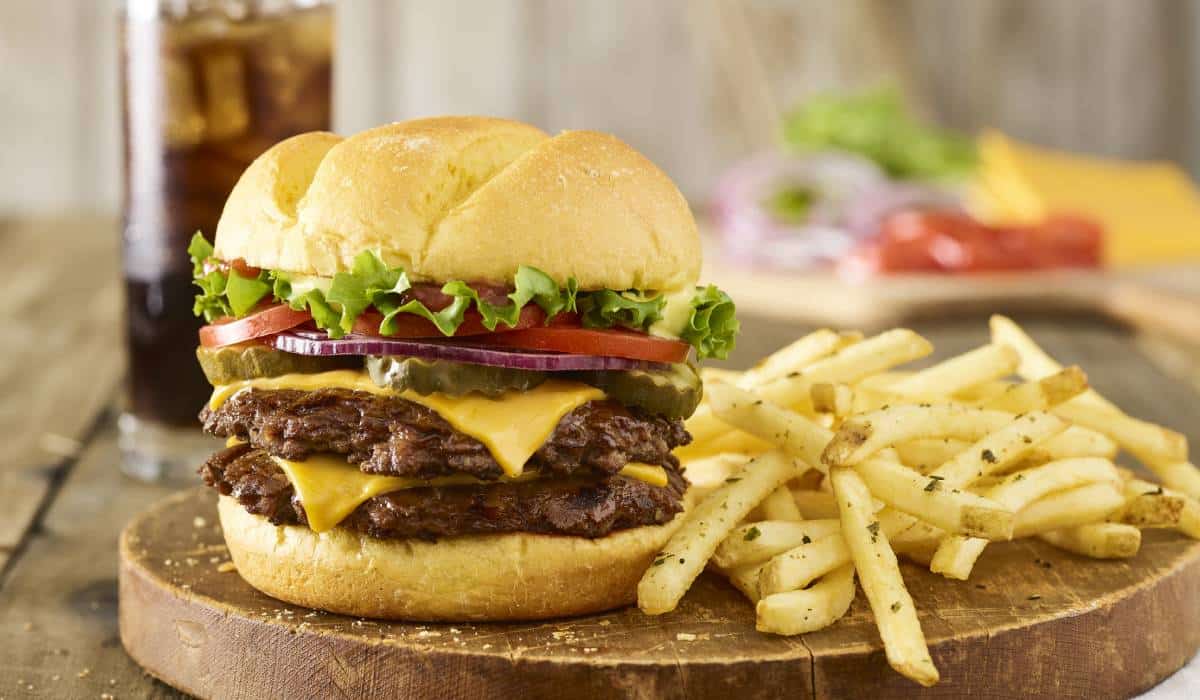
Shake Shack and Avocados From Mexico are serving up a campaign that’s sure to delight avocado fans across the U.S. Guests who order any sandwich or burger with avocado will have the opportunity to select their own fruit via Shake Shack’s Avocado Expert and receive a tableside slicing demo. Here’s how it works: For those […]
L&L Hawaiian Barbecue Unveils Lineup of 2024 Openings
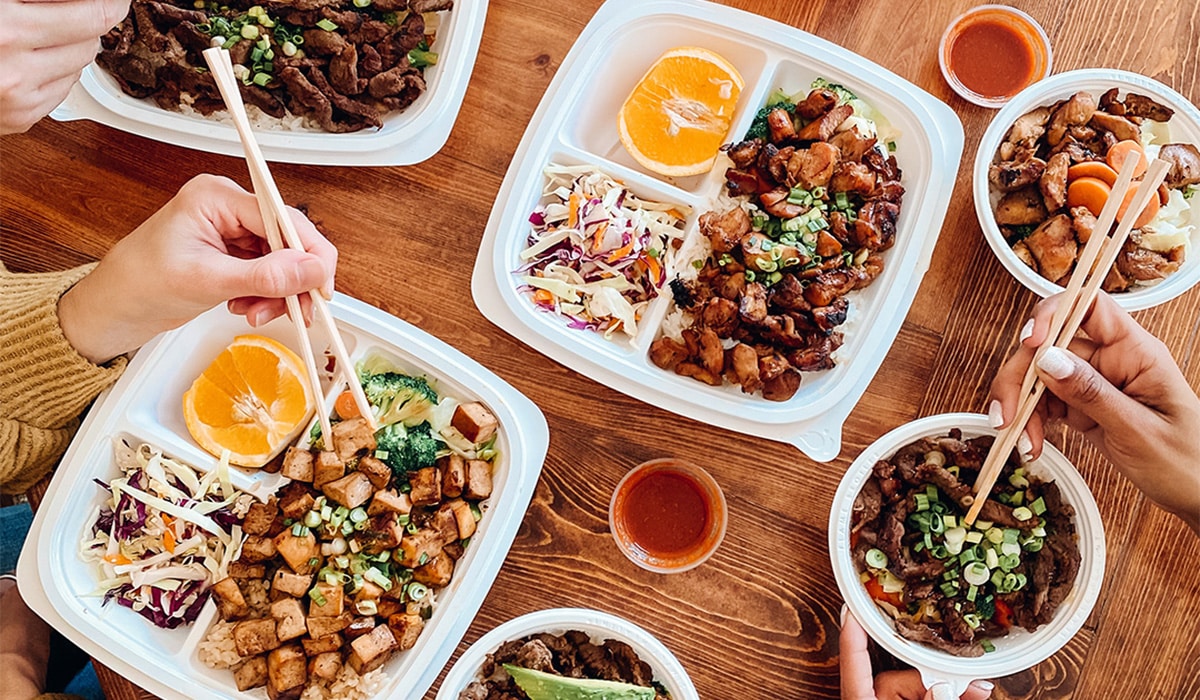
L&L Hawaiian Barbecue, the fast-casual brand renowned for its authentic Hawaiian-style cuisine, announces its lineup of initial openings of 2024 through two successful networks of multi-unit franchise owners in Colorado and Texas. Founded in Honolulu, HI in 1952, L&L continues its mission to share aloha with their popular ‘Plate Lunch’ offerings throughout 230 locations across […]
Papa Murphy’s Brings Back Taco Grande Pizza Through May 19
Why choose between your two loves when you can have both? Papa Murphy’s Take ‘n’ Bake Pizza—the take ‘n’ bake pizza franchise with over 1,135 locations around the globe—announced the return of the crowd-favorite Taco Grande Pizza, a culinary fusion available at participating locations nationwide from April 22 to May 19. This season’s must-try pizza […]
Penn Station Raises Over $1M for People with Down Syndrome
Those with Down syndrome stand to benefit from a generous donation presented by Penn Station East Coast Subs at Sunday’s Cincinnati Reds baseball game. This leading fast-casual sandwich restaurant franchise continues its long-standing tradition of community support with the contribution of $153,964.43 to Down syndrome organizations across the Midwest. This year’s donation brings the total […]
Women in AV/IT Announces Participation in Northeast Regional Service Provider Softball Tournament
Women in AV/IT (WAVIT), a nonprofit organization dedicated to advancing women in the audio-visual industry, announced its participation in the Northeast Regional Service Provider Softball Tournament on May 18, 2024, at Eisenhower Park on Long Island. This exciting event not only promises a day of friendly competition between the teams from Digital Labor Solutions, Exertis […]
Panda Express Rolls Out Gift Card Promotion Ahead of Mother’s Day
Mother’s Day is just around the corner, and Panda Express is offering an exciting promotion to help celebrate! From Monday, April 22 to Sunday, May 12, guests who purchase an online order of $30 or more in gift cards will receive one free Panda Bowl*! This promotion will be running nationwide and is only available online […]

Cicis Launches OREO Brownie Pizza
Cicis Pizza, the leading all-you-can-eat pizza buffet, has announced the launch of its latest limited-time offer: the OREO Brownie Pizza. Crafted by Cicis’ very own culinary genius, C.C. Pazzini, the OREO Brownie Pizza will be available on the buffet from Monday, April 22 through Sunday, June 2, and available online for just $6.99. The OREO […]
Paris Baguette Expanding to Ashburn, Virginia
Paris Baguette continues along an impressive growth trajectory with its most recent bakery café opening at 23710 Schooler Plaza, Ashburn VA 20148 on April 24th. Joe and Yulia Kook have varied backgrounds and experiences with Paris Baguette, the 4,000-plus-unit global bakery café franchise. However, when the two found themselves thinking of career shifts at the […]

Subscribe to A.M. Jolt
Get daily updates on quick-serve industry news, tips, and events.
"*" indicates required fields