























Shake Shack Expands Partnership on Carbon Neutral Whole Milk
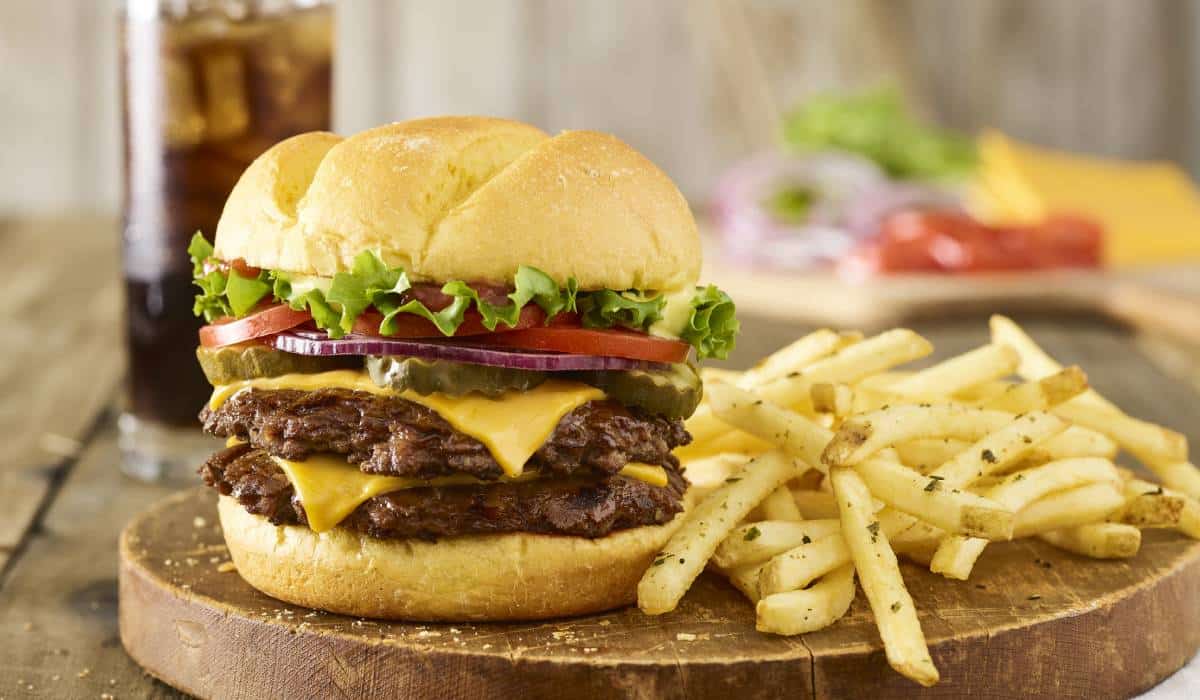
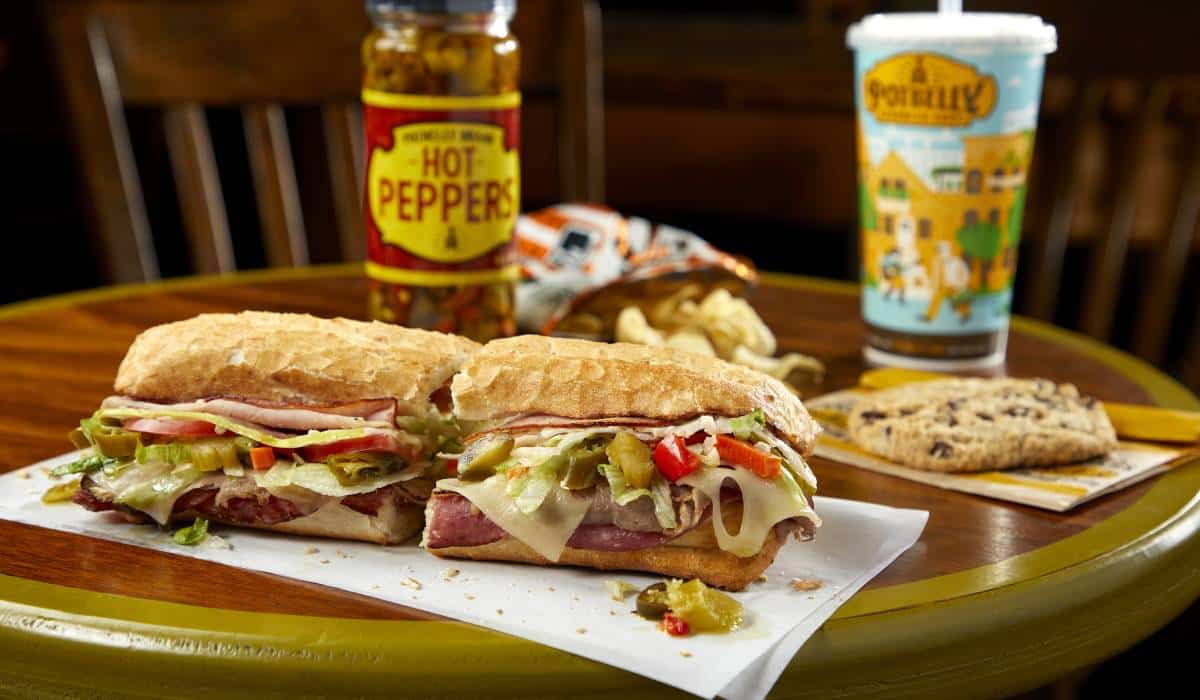
Neutral Foods, the first certified carbon neutral food company in the U.S, announced the expansion of its partnership with Shake Shack to supply its certified Carbon Neutral Whole Milk to over 90 Shake Shack locations in the U.S. Shake Shack is the first fast casual restaurant partner for Neutral Foods and is using Neutral Milk […]


Wendy’s Promises to Increase Access to Solar Energy for Franchisees
Wendy’s on Tuesday shared progress in sourcing renewable energy through its participation in community solar programs. Emissions reductions from these programs will advance progress against Wendy’s science-based targets to reduce absolute Scope 1 and 2 emissions by 47 percent, and Scope 3 emissions from franchisees by 47 percent per restaurant by 2030, both from a […]
Alberto Sosa Bringing Pollo Campero to Smyrna, Tennessee
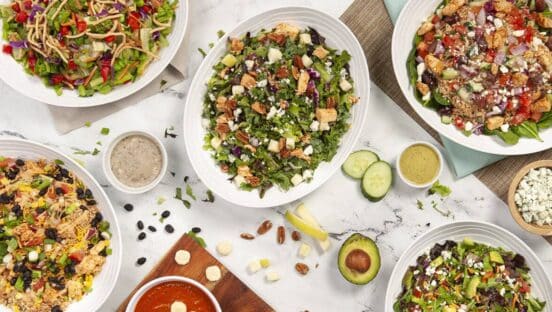
Alberto Sosa, who already owns two Pollo Campero franchises in Tennessee, is bringing the Central American chicken concept to the Nashville suburb of Smyrna. With over 100 U.S. locations and another 350 worldwide, the Central American chicken franchise is growing quickly, bringing family-recipe-inspired, flavorful chicken meals to the markets it enters. Smyrna’s new Pollo Campero […]
Chick N Max Named One of the Fastest-Growing Companies in Wichita, Kanas
Chick N Max – a next generation fast casual franchise specializing in almond wood smoked chicken and wings, chef-crafted sandwiches, and fried tenders – recently landed at the top of the Wichita Business Journal’s 2024 fastest-growing companies list. The burgeoning brand secured the top spot in the annual ranking with revenue growth of 89.5% last year. “We’re absolutely […]


Nick the Greek Opens in Santa Barbara
Nick the Greek, a West Coast-based chain serving up authentic Greek street food, announced the opening of its Santa Barbara, California, location. The new location is owned and operated by restaurant industry veterans Niko Heliotis and brothers Dimitri and Panayioti Trembois. The new Santa Barbara restaurant grows the brand’s presence in Southern California to 15 […]
Mountain Mike’s Releases Jalapeño Not-Knots
Mountain Mike’s Pizza, a leading family-style pizza chain, is bringing the heat with its new Jalapeño Not-Knots, a doughy fusion of butter, cheese and sliced jalapeños! Made with house made dough, sliced jalapeños, mozzarella cheese, butter and ranch, this side joins its preceding counterparts, the Cinnamon Not-Knots and Garlic Not-Knots. The Jalapeño Not-Knots are available now […]


Subscribe to A.M. Jolt
Get daily updates on quick-serve industry news, tips, and events.
"*" indicates required fields