

















Chicken Salad Chick to Open First New Mexico–Based Location
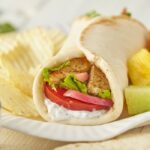
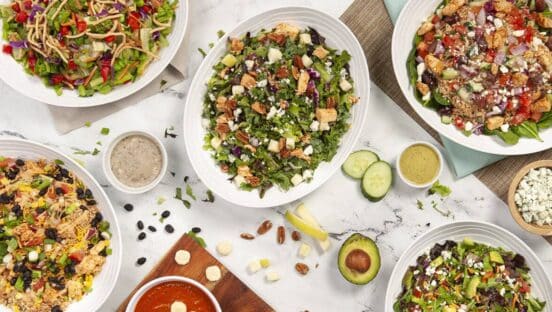
Chicken Salad Chick, the nation’s only fast casual chicken salad restaurant concept, is opening its first New Mexico location at 10621 Unser NW at McMahon. The 3,200 square-foot restaurant will employ 50 people. It also has a private dining room that can seat up to 24 guests that is available for business, non-profit or private […]
MOD Pizza to Begin Using Bikky’s Customer Analytics Solutions
Bikky, a customer data platform built exclusively for multi-unit restaurants, announced a partnership with MOD Pizza, the purpose-led, people-first, fast casual pizza pioneer. By leveraging Bikky’s customer analytics capabilities across its entire portfolio of over 500 locations, MOD is deepening its knowledge of what marketing and menu decisions resonate with customers and as a result, increase […]
Pretzelmaker to Offer Free Pretzel Bites on National Pretzel Day
Pretzelmaker, owned by FAT Brands Inc. and innovator of Pretzel Bites, is once again rolling out Free Pretzel Bites to celebrate National Pretzel Day. This National Pretzel Day, April 26, fans can grab one free Small Original Pretzel Bites, Original Salted or Unsalted, in-store at participating Pretzelmaker locations nationwide. “Offering a great deal for National Pretzel Day is a longstanding tradition at Pretzelmaker,” says […]
Canadian Franchise Freshslice Pizza to Open First U.S. Stores in Dallas-Fort Worth Market
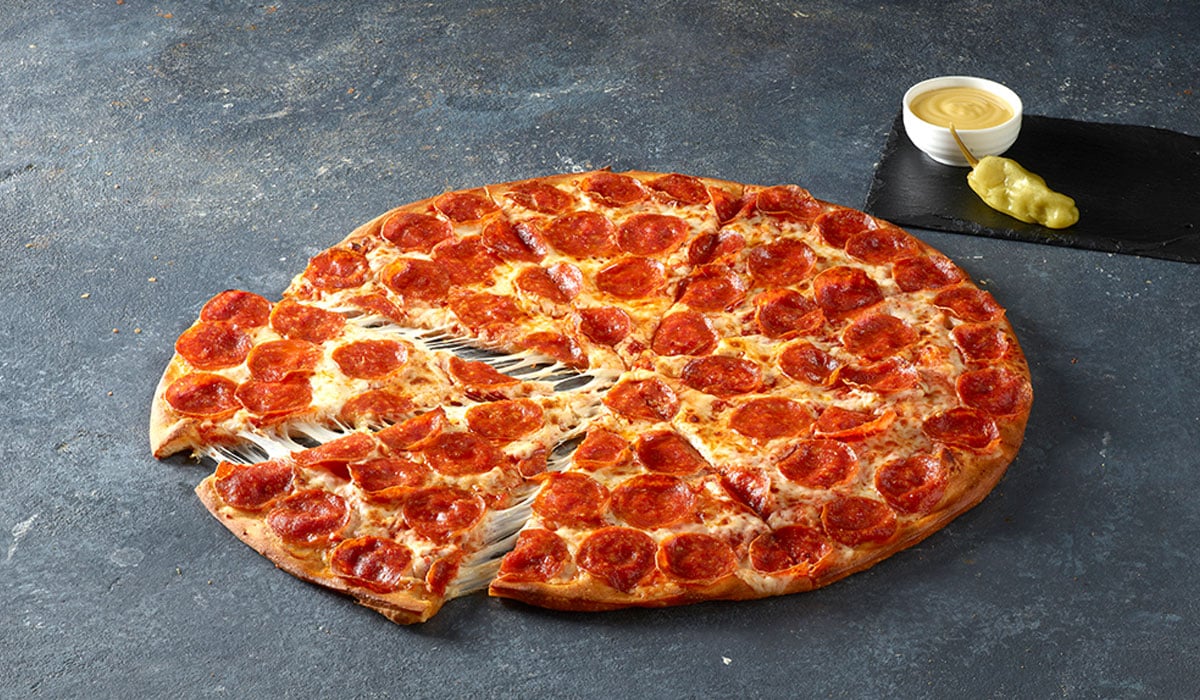
Freshslice Pizza, the innovative Canadian pizza franchise known for its culture of partnership, productivity, and efficiency, announced that the Dallas/Fort Worth, TX metroplex will be the location of its first two U.S. based franchises, spearheaded by local resident and entrepreneur, Trenton Parks. Marking a significant milestone in the company’s growth, with over 100 stores in […]
Wetzel’s Pretzels Opens Inside Walmart in Aurora, Colorado
Wetzel’s Pretzels (Wetzel’s), the nation’s fun-loving pretzel brand, recently expanded in Aurora, and pretzels are the first thing on Walmart shoppers’ lists. The new bakery will be owned and operated by one of Wetzel’s distinguished ‘Access to Equity’ entrepreneurs and restaurant industry veteran, Juveisa Prada. The brand’s Access to Equity program was created to improve inclusivity for women and minorities […]
The Human Bean Opens in River Edge, New Jersey
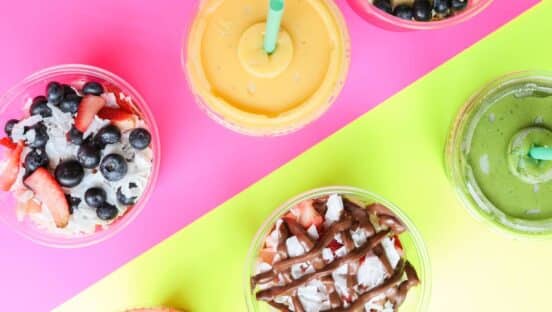
Baristas at The Human Bean will begin pouring coffee and other specialty beverages at 101 Midland Ave beginning this Tuesday, April 16th. Customers are invited to come get a first taste of the Cafe’s offerings, including specialty-grade coffee, real-fruit smoothies, whole-leaf teas, and hot breakfast items to-go. Local owners of the new The Human Bean location, […]
ItsaCheckmate Unveils Kiosk Solution
ItsaCheckmate, a leading restaurant ordering solutions provider, unveiled its new Kiosk solution, engineered to enhance the visual and operational standards of kiosks in the restaurant industry. This release marks a significant step forward, addressing common user experience and branding limitations found in other offerings. Many of the market’s existing kiosk solutions force brands to compromise on […]
The Human Bean to Host Earth Day Giveback with Planting Partner Trees of the Future
The Human Bean is hosting its annual Earth Day Giveback at all locations across the U.S. next Monday, April 22nd. On this special day, every drink sold will result in one tree planted through Trees for the Future, an international nonprofit with 30+ years of history planting trees and teaching sustainable farming practices in impoverished communities. […]
Scooter’s Coffee Celebrating National Cold Brew Day with $1 Offer
Celebrate National Cold Brew Day on Saturday, April 20, 2024 with a $1 medium cold brew at all Scooter’s Coffee locations. Our cold brew is made fresh in every store by slow steeping our world-class coffee for a full 24 hours. The result is an incredibly smooth iced coffee perfect for starting your day off […]
Pretzelmaker Offering Free Pretzel Bites for National Pretzel Day
Pretzelmaker, owned by FAT Brands Inc. and innovator of Pretzel Bites, is once again rolling out Free Pretzel Bites to celebrate National Pretzel Day. This National Pretzel Day, April 26, fans can grab one FREE Small Original Pretzel Bites, Original Salted or Unsalted, in-store at participating Pretzelmaker locations nationwide. “Offering a great deal for National […]

Subscribe to A.M. Jolt
Get daily updates on quick-serve industry news, tips, and events.
"*" indicates required fields