











Fatburger Agrees to 40-Unit Franchise Deal in Northern California
FAT (Fresh. Authentic. Tasty.) Brands Inc., parent company of Fatburger, Round Table Pizza and 16 other restaurant concepts, announces a new development deal to open 40 new franchised Fatburger locations across Northern California. In partnership with franchisee California Burger, Inc., Fatburger will be added to 40 existing Round Table Pizza locations over the next 10 […]
Noodles & Company Signs Franchise Deal in Portland
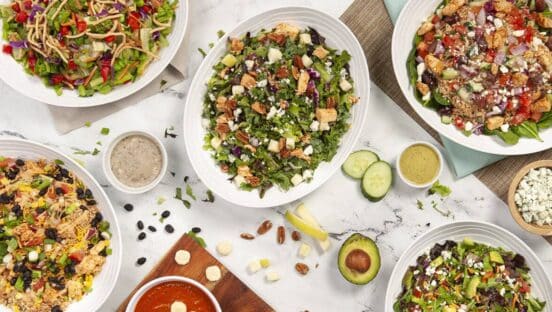
Noodles & Company, the national fast-casual chain known for its globally inspired noodle bowls, best-in-class service, and values-centric culture has signed a deal with DND Group Inc. to immediately acquire six restaurant locations and open a total of 10 new restaurants to the Portland, Oregon area. Opening its first location in 2025, this franchise agreement underscores Noodles & Company’s proven strategic growth in the Pacific Northwest market. Spearheading […]
The Habit Burger Grill Opens 11th Store in Florida
The Habit Burger Grill, the California-based restaurant company renowned for its award-winning Charburgers grilled over an open flame, signature sandwiches, fresh salads, and more, announces the launch of their 11th restaurant in Florida with their Cutler Bay drive-thru opening. The restaurant and drive-thru are located at 19169 S. Dixie Highway, Cutler Bay, FL 33157, and […]
Chicken Salad Chick to Offer BOGO Chicken Salad Ahead of Mother’s Day
Chicken Salad Chick the nation’s only fast casual chicken salad restaurant concept, is honoring mothers everywhere with a special promotion. On Friday, May 10, all of Chicken Salad Chick’s 250+ locations will be offering a buy one Large Quick Chick and get another absolutely free. This exclusive BOGO offer allows guests to indulge in the […]
The Coffee Bean & Tea Leaf to Offer BOGO 50 Percent Off for Tea Day
On April 21st, The Coffee Bean & Tea Leaf is offering buy one get one 50% off on all teas. What’s more, is that The Coffee Bean Rewards app has undergone a complete makeover to provide customers with an upgraded rewards program that offers more perks. As part of this program, members can enjoy unlocking rewards like […]
Fatburger and Buffalo’s Express Location Opens in Greater New Orleans
FAT Brands announced the openings of its first Fatburger and Buffalo’s Express location in the Greater New Orleans area. The new Fatburger and Buffalo’s Express Pearl River restaurant, located in the I-59 Pilot Travel Center north of New Orleans, will serve passersby its famous, all-American fare, including custom-built burgers, award-winning wings, Fat Fries, and hand-scooped […]
Chandi Hospitality Group Signs 10-Unit Deal with Guy Fieri’s Chicken Guy!
Chandi Hospitality Group, a well-known Northern California franchise group and real estate developer, has signed an exclusive, 10-unit franchise agreement with Guy Fieri’s Chicken Guy! to expand the fried chicken concept throughout Northern California. The first location is set to open in American Canyon this summer, with expansion planned for nine counties across the San […]
Krak Boba to Offer $3 Off During Customer Appreciation Day
Customer Appreciation Day is approaching, and Krak Boba, a Southern California-based boba franchise, is ready to celebrate with its community. On Thursday, April 18, all new and existing loyalty club members, or Krak Circle members, will receive a coupon for $3 off as a token of appreciation for their loyalty to the Krak Boba brand. […]
Philz Coffee Adds Oatmeal Cookie Cold Brew to Menu
For the first time in two years, Philz Coffee is adding a new, plant-based beverage to its menu with the introduction of Oatmeal Cookie Cold Brew, available now through June 10. Oatmeal Cookie Cold Brew combines notes of caramelized brown sugar, oats and cinnamon spice with the smooth and refreshing Philz Mission Cold Brew coffee […]

Subscribe to A.M. Jolt
Get daily updates on quick-serve industry news, tips, and events.
"*" indicates required fields