






















Dunn Brothers Coffee Announces Deals for National Cold Brew Day
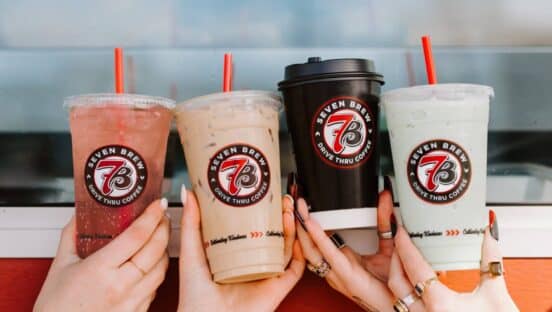
Dunn Brothers Coffee is putting a jolt into this weekend, as it calls on cold brew lovers to rejoice. The neighborhood coffee shop famed for freshly roasting its globally sourced single-origin green beans daily onsite is celebrating National Cold Brew Day, April 20, 2024, with a weekend full of bold, smooth flavor-packed fun! For two […]

Houston TX Hot Chicken Opens in Sterling Heights, Michigan
Houston TX Hot Chicken (HHC), an industry leader in serving high-quality hot chicken with a wide range of spice levels for everyone, is opening its first and latest location in the state of Michigan in Sterling Heights on Saturday, April 20. Located within Hall Commons Shopping Center at 14796 Hall Road, HHC is hosting a grand […]
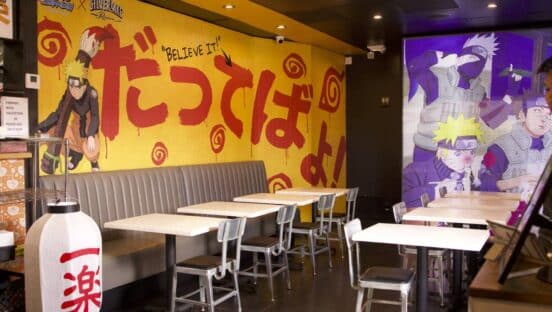
Super Chix Opens Fourth Location in Alabama
SUPER CHIX (www.superchix.com) announced the opening of its second location in the Hoover/Birmingham area and fourth in Alabama! “The new SUPER CHIX restaurant is located at 5357 US-280 Suite 102, Birmingham, AL 35242 – phone number (205) 238-5174. “The Greystone Shopping Center is a great location for SUPER CHIX given its convenient and easy access and proximity to residential, business and […]
HME Hospitality and Specialty Communications Releases New Text-to-Speech Feature
HME Hospitality and Specialty Communications announced the release of Text & Connect, a powerful new NEXEO | HDX feature used to send real-time, personalized, text-to-speech alerts to select restaurant teams and stores via the NEXEO headset. Text & Connect revolutionizes store operations by enabling restaurant leaders to build employee engagement, recognize outstanding performance, and deliver consistent […]

Subscribe to A.M. Jolt
Get daily updates on quick-serve industry news, tips, and events.
"*" indicates required fields