























Nékter Juice Bar Expands Into Sioux Falls, South Dakota
Nékter Juice Bar continues expanding into new markets with the opening of their first South Dakota restaurant in Sioux Falls, South Dakota. The newest Nékter is located at the Dawley Farm Village, 609 S. Highline Pl., and is hosting a grand opening celebration on Saturday, May 4, 2024. Guests may enjoy $5 small Juices and […]

Mr Gatti’s Pizza Celebrates Grand Opening of Store in Victoria, Texas
Mr Gatti’s Pizza, the beloved pizza restaurant chain, is celebrating the grand opening of its new Victoria location at 2804 N. Laurent St. with a special event on May 1 at 5 p.m. The jam-packed celebration is open to the public and will feature a ribbon-cutting ceremony with the local Chamber of Commerce, children’s entertainment with bounce houses and a […]
Wienerschnitzel Appoints Doug Koob as Chief Development Officer
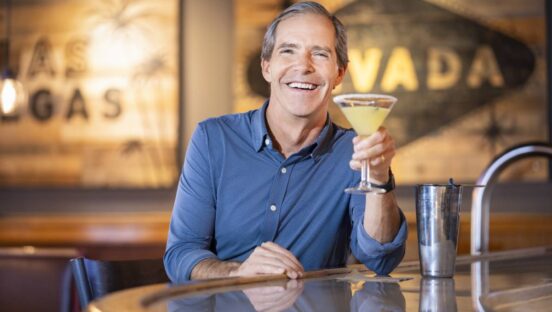
Wienerschnitzel, the world’s largest hot dog concept, announced today a new addition to its executive leadership team, Doug Koob. In this new role, Koob will oversee sales and business development teams for both domestic and international growth, real estate, along with restaurant design and construction. Koob’s background of 40-plus years in the hospitality industry led […]
Daddy’s Chicken Shack Names Dave Liniger Jr. CEO
Daddy’s Chicken Shack, the quick-service concept dedicated to serving up good livin’ and better chicken, announced today two new promotions within their executive team. Tony Adams, who previously served as the Vice President and Chief of Staff for Area 15 Ventures, will now be taking on the role of President for Daddy’s Chicken Shack while […]
Abbott’s Frozen Custard Announces Opening of First Franchised Store in Texas
Abbott’s Frozen Custard, the oldest frozen custard franchise in the nation, is celebrating the grand opening of its first franchise location in the state of Texas. Located in the Dallas suburb of McKinney, at 1520 N Hardin Boulevard, it is the first of more than 100 locations throughout Texas to be opened by owner-operator Southern […]

Shake Shack Expands Partnership on Carbon Neutral Whole Milk
Neutral Foods, the first certified carbon neutral food company in the U.S, announced the expansion of its partnership with Shake Shack to supply its certified Carbon Neutral Whole Milk to over 90 Shake Shack locations in the U.S. Shake Shack is the first fast casual restaurant partner for Neutral Foods and is using Neutral Milk […]


Wendy’s Promises to Increase Access to Solar Energy for Franchisees
Wendy’s on Tuesday shared progress in sourcing renewable energy through its participation in community solar programs. Emissions reductions from these programs will advance progress against Wendy’s science-based targets to reduce absolute Scope 1 and 2 emissions by 47 percent, and Scope 3 emissions from franchisees by 47 percent per restaurant by 2030, both from a […]
Alberto Sosa Bringing Pollo Campero to Smyrna, Tennessee
Alberto Sosa, who already owns two Pollo Campero franchises in Tennessee, is bringing the Central American chicken concept to the Nashville suburb of Smyrna. With over 100 U.S. locations and another 350 worldwide, the Central American chicken franchise is growing quickly, bringing family-recipe-inspired, flavorful chicken meals to the markets it enters. Smyrna’s new Pollo Campero […]

Subscribe to A.M. Jolt
Get daily updates on quick-serve industry news, tips, and events.
"*" indicates required fields