
















Bojangles to Venture West with Franchise Deal in Los Angeles
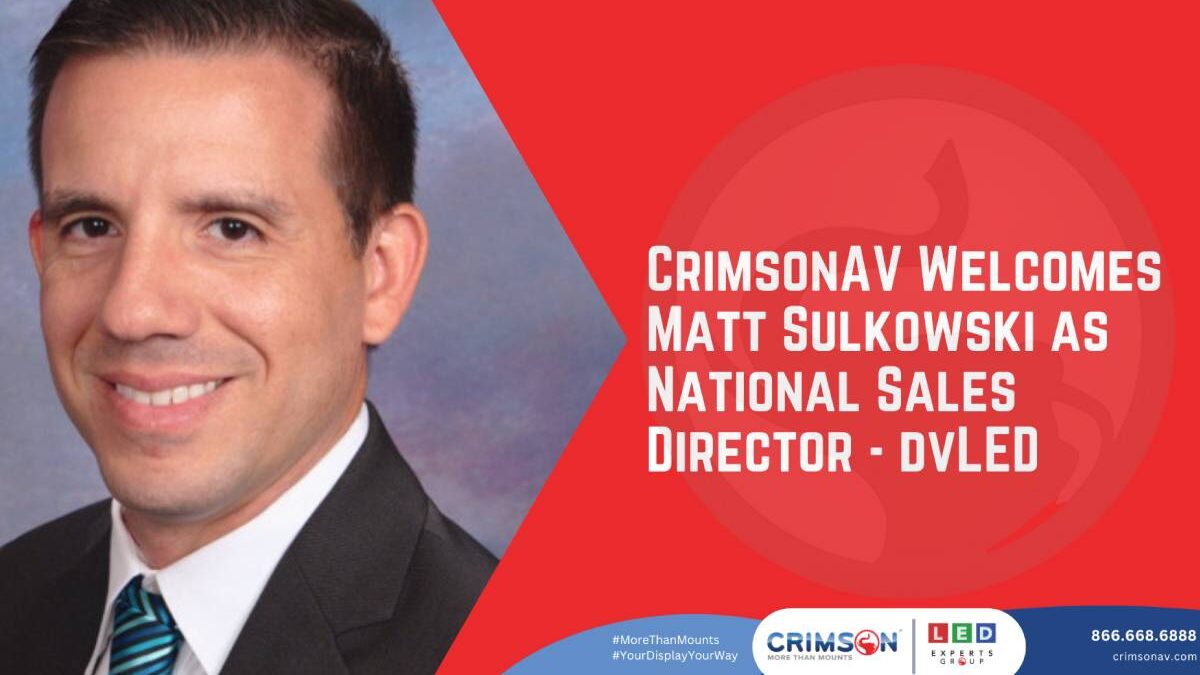
Bojangles, the Carolina-born restaurant chain specializing in craveable breakfast and Southern-style chicken, biscuits and tea, has announced the signing of a 30-unit agreement that will bring the concept to Los Angeles for the first time. The agreement, spearheaded by seasoned entrepreneur Lorenzo Boucetta and Poulet Brothers, LLC, is expected to introduce Bojangles to Los Angeles […]
Wayback Burgers Unveils New Rewards Program
Wayback Burgers, America’s favorite hometown burger joint and one of the nation’s fastest growing burger franchises, unveiled Wayback Rewards, its new and improved rewards program for guests. Highlighted by a new “secret menu” which will put fun, limited time menu items at members’ fingertips, members can access the new Wayback Rewards program wherever they order, whether via the app, online, […]
Black Rock Coffee Bar Implements Revel’s POS Systems
Revel Systems, an open cloud order management platform for restaurant and retail brands, announced that Black Rock Coffee Bar has successfully implemented Revel at more than 130 locations, with plans to rapidly expand nationwide. Preferring a best-of-breed approach to its technology stack, Black Rock took advantage of Revel’s existing integrations with leading solutions for loyalty, […]
Thanx Enhances Mobile App Content Management System
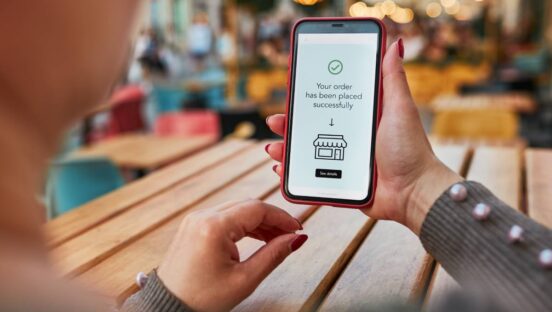
Thanx, a leading guest engagement and retention platform for restaurants, announced major enhancements to their already powerful mobile app content management system (CMS). Restaurants now have unprecedented control over the design, branding and user experience, without building a custom app with a developer. These enhancements represent an important milestone for restaurants, as it marks the first time […]

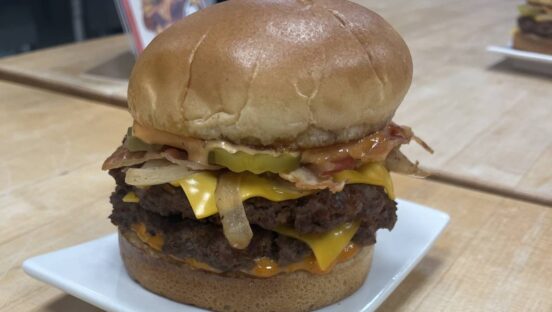
Fatburger Bringing Back $4.20 Burger for 4/20
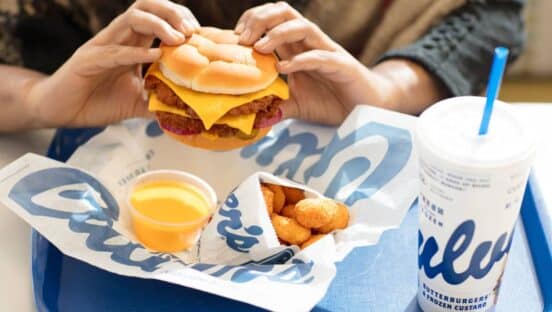
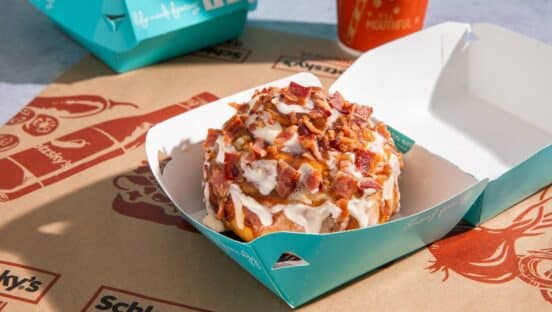
Fatburger announced the return of the $4.20 Original Fatburger for one day only, 4/20, in honor of the chain’s favorite high holiday. That’s right, to satisfy munchies of every kind, the beloved burger brand is offering a smokin’ deal on Original Fatburgers when ordering online via fatburger.com. The Original Fatburger, made with 100% pure lean […]
Duck Donuts Puts Cotton Candy Flavors on the Menu for Limited Time
Duck Donuts is giving its guests the opportunity to feel like a kid again this spring with the rollout of its brand-new, limited-time cotton candy flavors. Through May 19, guests can customize the cotton candy donut of their whimsical dreams with crunchy cotton candy topping or flavorful icing. Guests are invited to step up and […]
Smashburger Inks Deal to Grow in Salt Lake City
Smashburger announced the signing of an agreement with existing franchisee, Sachi Foods, LLC, to expand their partnership. Led by Farhana Ali, the deal awards the group two Salt Lake City-based restaurants, growing its portfolio to 15 operating locations between the United States of America and Costa Rica. The announcement comes on the heels of Smashburger’s […]
Rita’s Releases New Cold Brew and Concrete with OREO
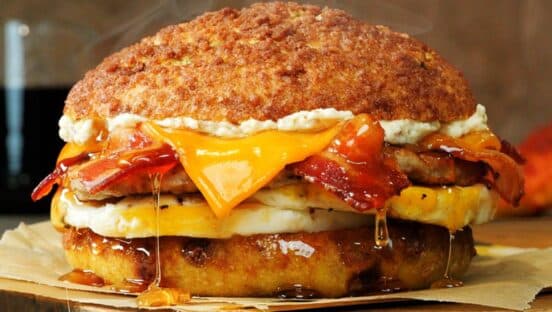
Rita’s Italian Ice & Frozen Custard, the largest Italian Ice concept in the world, unveiled its latest partnership with America’s Favorite Cookie, OREO, to feature two delectable frozen treats on its menu: NEW Cold Brew Frozen Coffee made with OREO cookies and Rita’s Cookies n’ Cream Concrete. To make this partnership even sweeter, Rita’s Ice […]
Domino’s Introduces New York Style Pizza
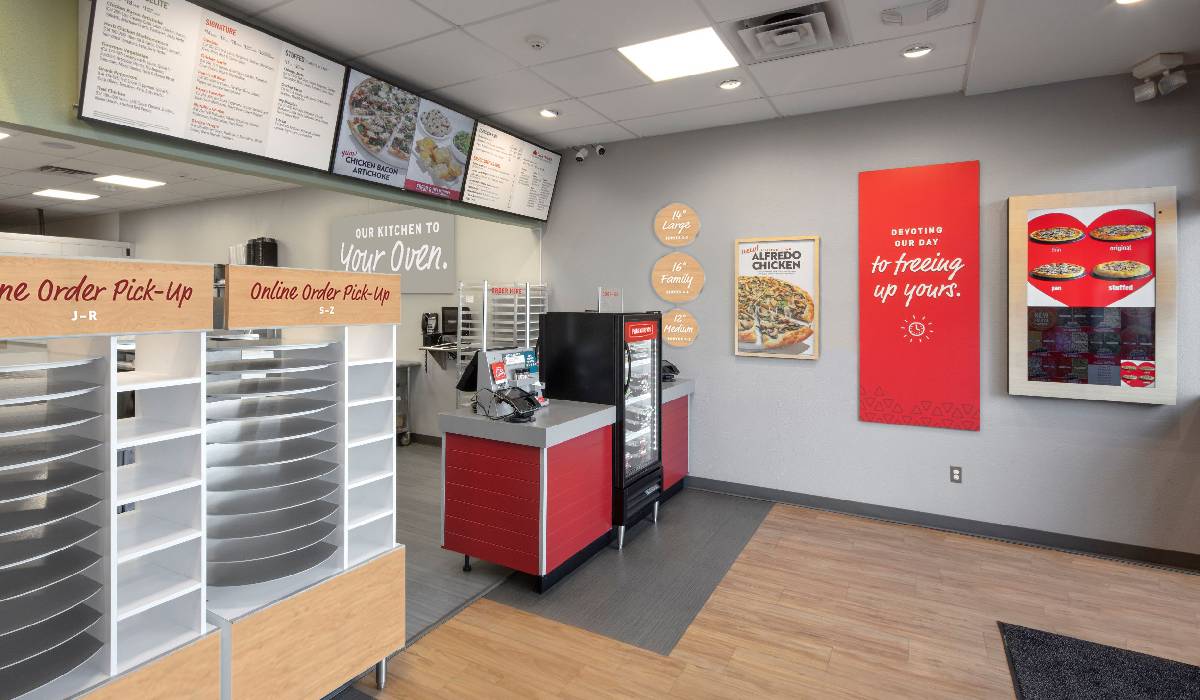
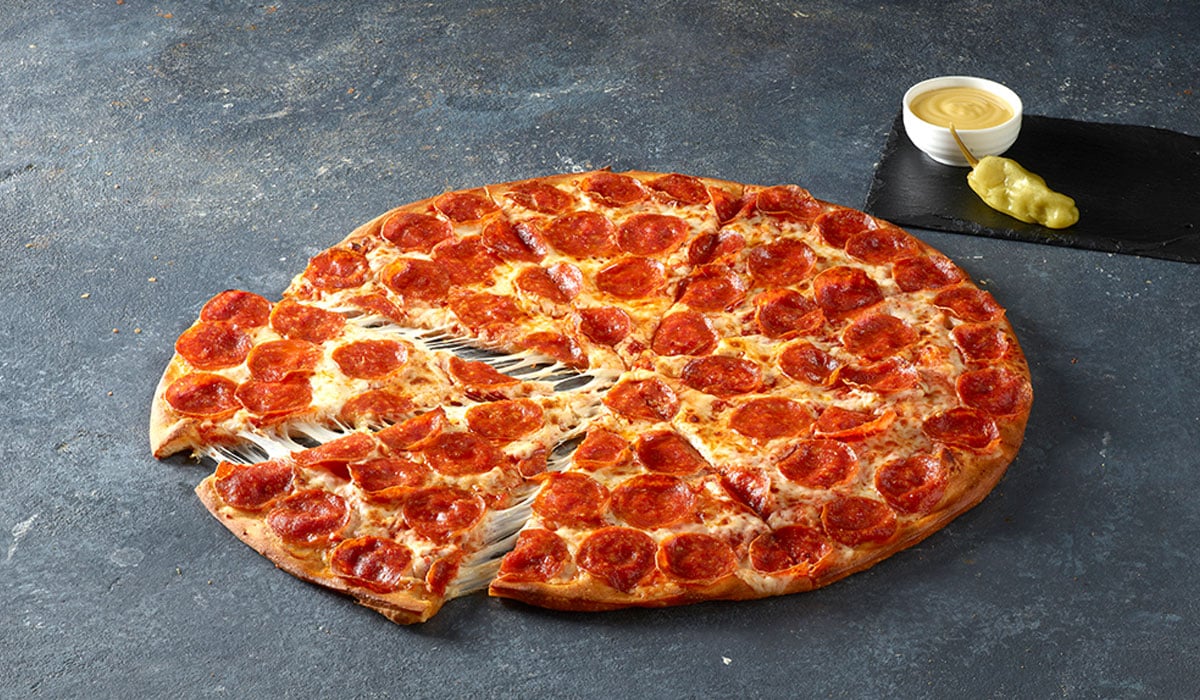
Craving a delicious, new crust that is thin and cut into big, foldable slices? Domino’s Pizza Inc, the largest pizza company in the world, has you covered. Introducing New York Style Pizza: a pizza that is designed to be even more delicious, whether you hail from New York City or beyond. Domino’s New York Style Pizza is […]

Subscribe to A.M. Jolt
Get daily updates on quick-serve industry news, tips, and events.
"*" indicates required fields