
























Wendy’s Promises to Increase Access to Solar Energy for Franchisees
Wendy’s on Tuesday shared progress in sourcing renewable energy through its participation in community solar programs. Emissions reductions from these programs will advance progress against Wendy’s science-based targets to reduce absolute Scope 1 and 2 emissions by 47 percent, and Scope 3 emissions from franchisees by 47 percent per restaurant by 2030, both from a […]
Alberto Sosa Bringing Pollo Campero to Smyrna, Tennessee
Alberto Sosa, who already owns two Pollo Campero franchises in Tennessee, is bringing the Central American chicken concept to the Nashville suburb of Smyrna. With over 100 U.S. locations and another 350 worldwide, the Central American chicken franchise is growing quickly, bringing family-recipe-inspired, flavorful chicken meals to the markets it enters. Smyrna’s new Pollo Campero […]
Chick N Max Named One of the Fastest-Growing Companies in Wichita, Kanas
Chick N Max – a next generation fast casual franchise specializing in almond wood smoked chicken and wings, chef-crafted sandwiches, and fried tenders – recently landed at the top of the Wichita Business Journal’s 2024 fastest-growing companies list. The burgeoning brand secured the top spot in the annual ranking with revenue growth of 89.5% last year. “We’re absolutely […]


Nick the Greek Opens in Santa Barbara
Nick the Greek, a West Coast-based chain serving up authentic Greek street food, announced the opening of its Santa Barbara, California, location. The new location is owned and operated by restaurant industry veterans Niko Heliotis and brothers Dimitri and Panayioti Trembois. The new Santa Barbara restaurant grows the brand’s presence in Southern California to 15 […]
Mountain Mike’s Releases Jalapeño Not-Knots
Mountain Mike’s Pizza, a leading family-style pizza chain, is bringing the heat with its new Jalapeño Not-Knots, a doughy fusion of butter, cheese and sliced jalapeños! Made with house made dough, sliced jalapeños, mozzarella cheese, butter and ranch, this side joins its preceding counterparts, the Cinnamon Not-Knots and Garlic Not-Knots. The Jalapeño Not-Knots are available now […]

Cousins Maine Lobster Opens 65th Unit in Rhode Island
Cousins Maine Lobster, the Shark Tank phenom known for serving up wild caught Maine lobster rolls, authentic New England clam chowder, and delicious whoopie pies is celebrating it’s 12th anniversary with the opening of their 65th unit in the Rhode Island market. CML invites the community to join them as they celebrate with an official ribbon cutting and launch party, featuring an appearance […]

Chill-N Nitrogen Ice Cream Opens Second Store in Orlando Area
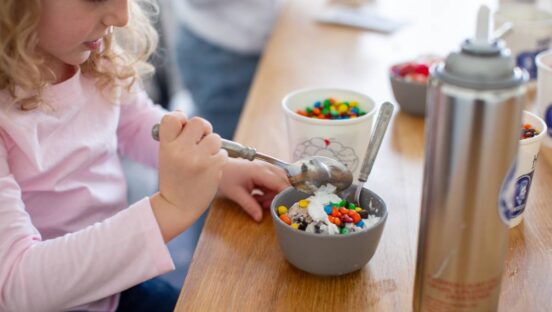
Orlando ice cream fans are celebrating because Chill-N Nitrogen Ice Cream (Chill-N), the made-to-order nitrogen ice cream pioneer, announced that it will be opening its second Orlando area location on April 20th in Lake Nona at 13887 Narcoossee Rd. The shop is located just off the intersection of Narcoossee Rd. and Laureate Blvd. and in […]

Subscribe to A.M. Jolt
Get daily updates on quick-serve industry news, tips, and events.
"*" indicates required fields