

































JARS by Fabio Viviani Inks 10-Unit Deal in Atlanta Market
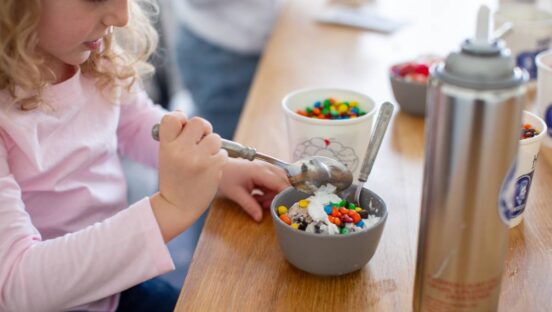
JARS by Fabio Viviani, the innovative single-serve dessert concept founded by global celebrity chef Fabio Viviani, is officially heading to Atlanta, Georgia, with plans to open 10 locations in the area. The driving local force behind this sweet venture is James Gormley, a successful entrepreneur with extensive experience in commercial real estate. “After meeting Fabio and getting […]
Carl’s Jr. Brings Back El Diablo Burger
Guests summoned, we answered. Carl’s Jr is giving into guests’ cravings with the infernal return of the devilishly spicy El Diablo burger. Starting today, the cult-favorite menu item, featuring two charbroiled all-beef patties, two strips of bacon, crispy Jalapeño POPPERS Bites, melty pepperjack cheese and fiery habanero ranch sauce on a seeded bun, will rejoin […]
Bushfire Kitchen to Open 8th Location in Riverside, California
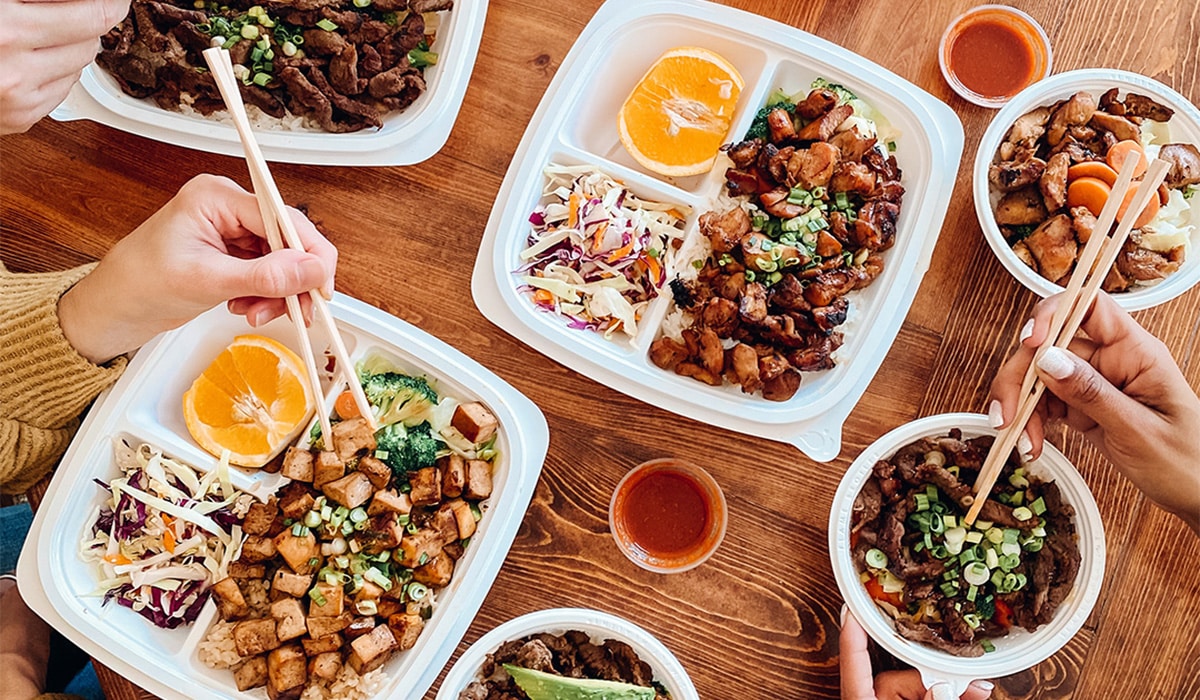
Bushfire Kitchen, the California-based restaurant brand beloved for its healthy, globally-inspired comfort food, announced the opening of its eighth location, and its fourth in Riverside County, set to open in late 2024 at the vibrant Canyon Crest Towne Centre in Riverside. Bushfire Kitchen is known for its from-scratch menu, prepared slow and served fast, utilizing premium-grade, humanely-raised […]
Jeff’s Bagel Run Opens Fourth Location
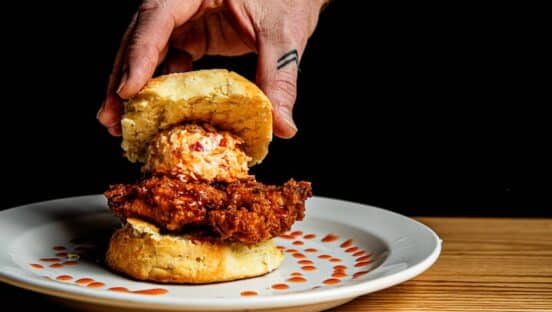
Jeff’s Bagel Run, the beloved scratch bakery known for its hot, fresh bagels, announced the grand opening of its fourth store in Celebration. The new location, situated in the heart of Celebration, will continue the tradition of serving delicious bagels, cream cheese, and coffee to the local community. Jeff’s Bagel Run has quickly become a […]
Domino’s to Tip Customers who Tip Delivery Drivers
Domino’s brought you Carryout Tips. Now the largest pizza company in the world, known for its value innovation, is launching You Tip, We Tip – a promotion that tips customers who tip their delivery drivers, beginning April 29. “Domino’s drivers have been hustling to deliver hot, delicious pizzas since 1960, and we love that customers […]
Sprouts Chef Training Expands Chef Mentorship Program into NYC
Sprouts Chef Training, the nonprofit organization dedicated to providing life-changing culinary opportunities to underprivileged youth, is expanding their chef mentorship program into New York City. This chef mentorship and their vocational wrap-around program will provide underserved youth with both top culinary mentorship opportunities as well as future job placement in New York City. Sprouts marks […]

Atomic Wings Opens New Prototype in Greenfield, Indiana
Atomic Wings announce a landmark quarter of growth culminating in the grand opening of its latest prototype location in Greenfield, Indiana. This location, which is owned by Vice President of Operations and franchisee Michael Harmon, is a significant step in Atomic Wings’ growth strategy, marking a period of unprecedented success and innovation for the brand. […]
Nékter Juice Bar Expands Into Sioux Falls, South Dakota
Nékter Juice Bar continues expanding into new markets with the opening of their first South Dakota restaurant in Sioux Falls, South Dakota. The newest Nékter is located at the Dawley Farm Village, 609 S. Highline Pl., and is hosting a grand opening celebration on Saturday, May 4, 2024. Guests may enjoy $5 small Juices and […]


Subscribe to A.M. Jolt
Get daily updates on quick-serve industry news, tips, and events.
"*" indicates required fields